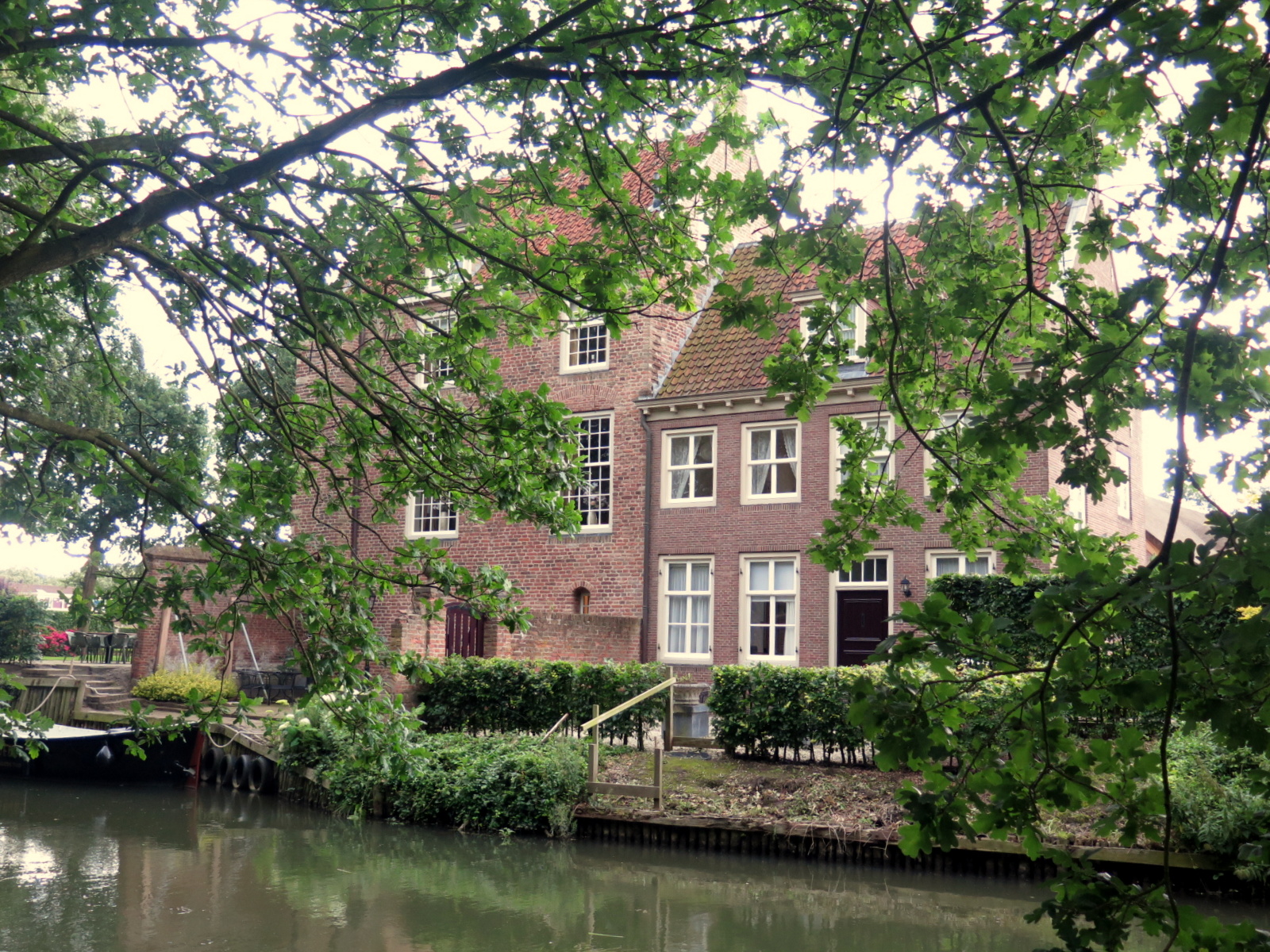
Three organ recitals in three big old churches with
impressive and beautiful pipe organs. I am very happy indeed!
MAASSLUIS
Ten days ago it was Maassluis,
a now rather sleepy town on the river Rhine, here called Nieuwe Waterweg, but
once a very important fishing port. The church was built as a protestant church
especially for the sailors and fishermen. The many ships decorating the church
are testimony to the important past of this town. 


The church is built on a
small island or peninsula in the middle of the town, and so is surrounded by
water. The church is not built in the form of a cross, and there is no altar,
the pulpit taking pride of place because the Word was more important than the
sacraments. So was the organ, used to help the congregation sing the psalms. The organ is famous and has a wonderful sound.

Two views of the famous pipe organ in Maassluis


Part of the interior of the church


Maassluis at dusk
The programme was a musical journey through Europe and Canada, including German, Austrian, Spanish, Italian, French and Canadian composers from the 17th till the 20th century, a varied programme indeed which enabled to organist to use all the different colours of this famous pipe organ.
NAARDEN
Only five days later I attended an organ recital in Naarden, a most
impressive and attractive Dutch town, with double star shaped moats and defence
works. The old church is in
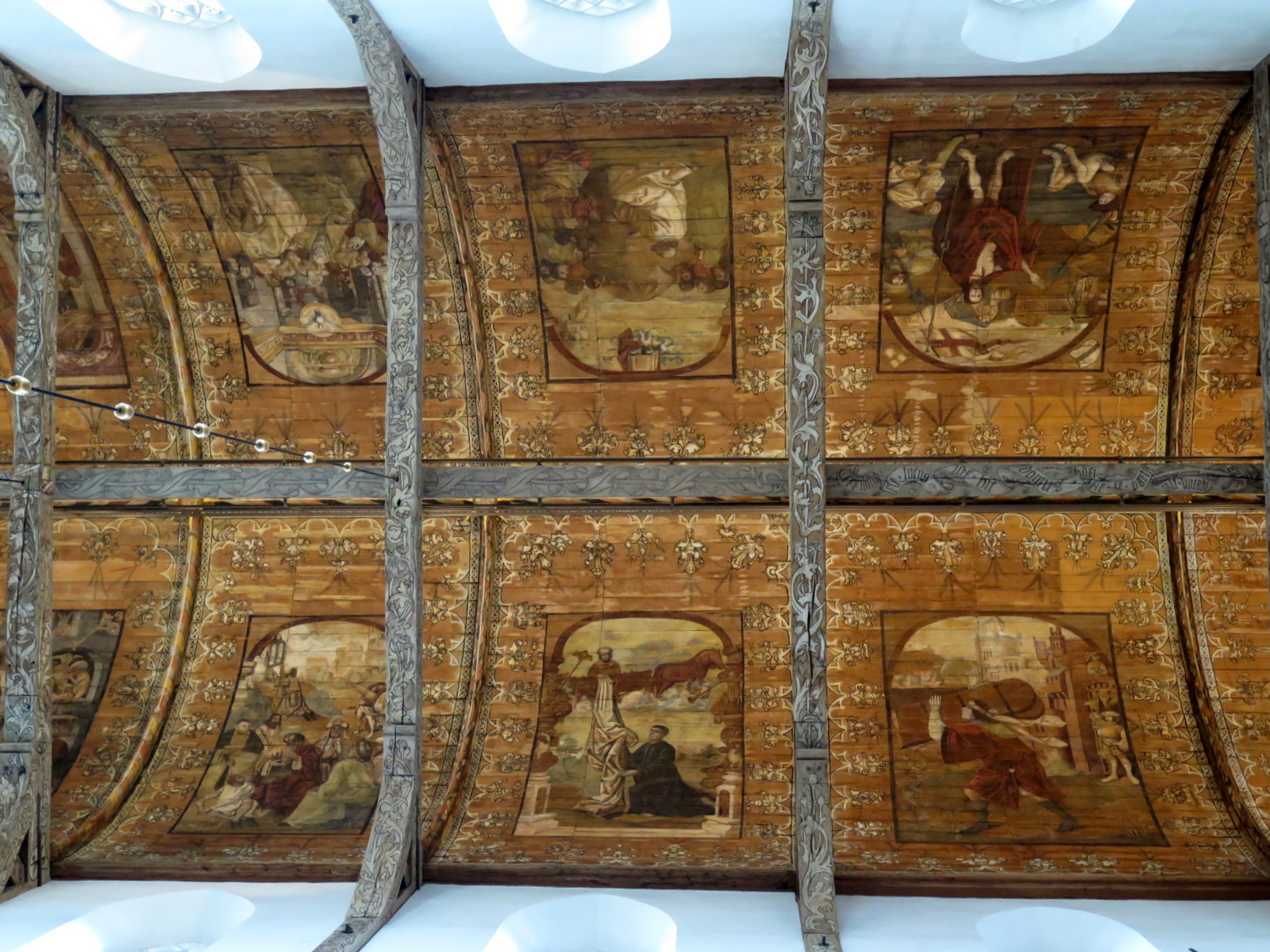
the middle of this historic town. It started life as a catholic church. The roof is made of wood, a barrel vault, and the interesting thing are the paintings on this vault, depicting
scenes from the Old and the New Testament, a veritable Biblia Pauperum. 
Naarden, the Church


The website has a splendid selection
of pictures, not only of the town itself from the air, but also of all the roof
paintings. Besides there is a lot of information about the pipe organs –there are
three organs in this church – and the organist demonstrates them all on YouTube, playing
several pieces and telling something about the history of each organ. Alas, in
Dutch. But the sound of the organs can be enjoyed anyway.
Organ Symphony Nr. 4, Charles Maria Widor,Andanta Cantabile
In Naarden the organist Sander van Marion chose an all French programme, as the main pipe organ is a romantic one and best suited to this type of music. Louis Couperin, Daquin, Balbastre, Cesar Franck, Guilmant, Widor and Dubois, from the 17th century till the early 20th century, we got a good example of each period, with some special and little known pieces.

The main organ in the "Grote Kerk" in Naarden

The organ in the chancel, hanging against the wall resembling the nest of a swift or swallow.


An organ built in a cabinet. On the website the organist of Naarden church demonstrates this cleverly made organ .
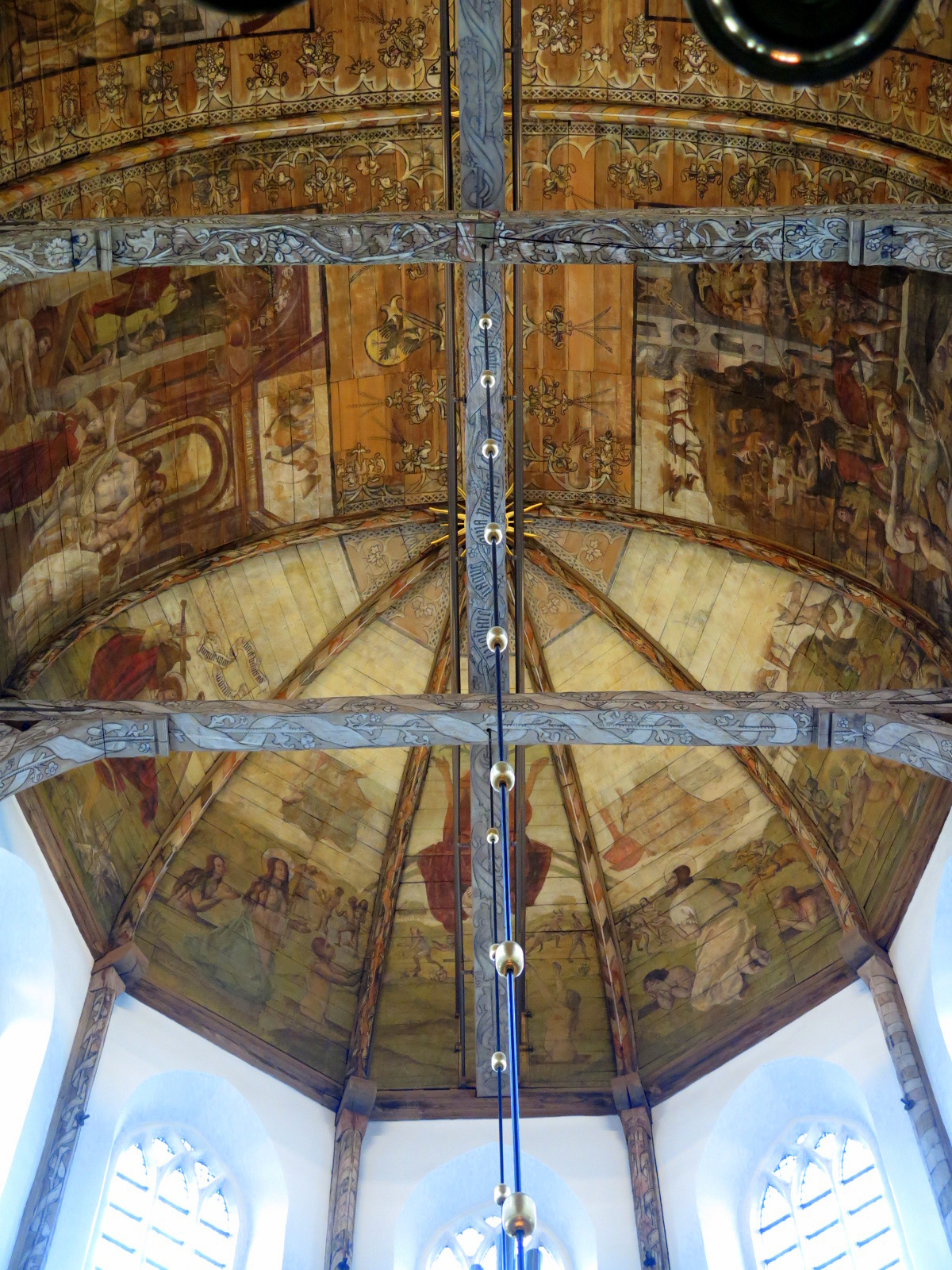
The roof with some of the biblical paintings
GOUDA
Today, ten days later, I attended another recital in the St. Jan in Gouda, the longest gothic church
in Holland, famous for its beautiful stained glass windows which tell
interesting stories, the story of the Bible, as well as stories about the
history of the Netherlands. 
This church has two organs, a small one in the chancel and the
main pipe organ, which takes pride of place. I have been to many concerts in this
church, but this is the first time we could watch the organist and the unusually
decorated organ console via a big screen.

 When I used to be an organ assistant,
I had the privilege to see this beautiful organ console myself. Usually
recitals take place in the evening, which means that if one is lucky the red
setting sun will shine through the colourful windows, making them even more
fascinating. Today it was a matinee, the first time I had been to a concert
here during the day. So no sunset, but since the sun came out in the afternoon
after a dull morning, the windows were very bright and clear.
When I used to be an organ assistant,
I had the privilege to see this beautiful organ console myself. Usually
recitals take place in the evening, which means that if one is lucky the red
setting sun will shine through the colourful windows, making them even more
fascinating. Today it was a matinee, the first time I had been to a concert
here during the day. So no sunset, but since the sun came out in the afternoon
after a dull morning, the windows were very bright and clear.

 Before the concert there was a guided tour by the verger,
explaining the scenes of the famous and colourful windows. There is also a
permanent exhibition in the church: in showcases opposite the windows are
illustrations from Bibles and history books, depicting the same subject or
story as in the window opposite. It is very well done and worth a visit. The music
programme this afternoon was inspired by the stories of the different windows, which
therefore included Christmas music, music for Easter, Royal music and Dutch national
music inspired by the Liberation window. The organist chose an Old Dutch song,
taken from Valerius
Gedenck-clank, a collection of national songs from 1626.
Before the concert there was a guided tour by the verger,
explaining the scenes of the famous and colourful windows. There is also a
permanent exhibition in the church: in showcases opposite the windows are
illustrations from Bibles and history books, depicting the same subject or
story as in the window opposite. It is very well done and worth a visit. The music
programme this afternoon was inspired by the stories of the different windows, which
therefore included Christmas music, music for Easter, Royal music and Dutch national
music inspired by the Liberation window. The organist chose an Old Dutch song,
taken from Valerius
Gedenck-clank, a collection of national songs from 1626.


Liberation Window
The organist started his recital at the organ in the chancel,
which has a very clear sound. Music by
Claude d’Aquin and various compositions by the organist suited the small but
exquisite organ. Then we all moved to the nave, and the organist continued his
recital on the main organ.

Market day in full swing around the medieval market hall (also below)

All being well, on Wednesday there will be yet another
attractive old town, another monumental church and another interesting grand
organ – and organ recital. As every organ has a different disposition, so a
different sound, and looks different as well, to me it will never be boring. Because every time the programme is different too, to suit the type of organ, be it baroque, romantic, modern, and big or small with many stops or just a few basic ones. Combining them is an art in itself.